
Compliance
EU MRL changes for grape leaves: what importers should ask their supplier
12 Apr 2026 · 6 min
Syrian Baladi grape leaves in brine from Damascus countryside. Smaller leaf, deeper green, distinctive for traditional Middle Eastern dishes. Three quality grades.
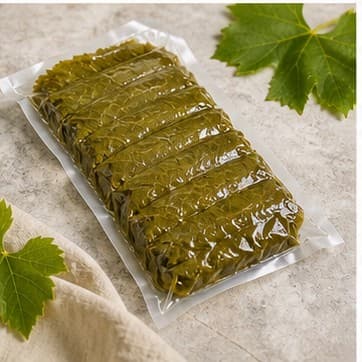
Local Middle Eastern variety. Smaller leaf, deeper green. Phase D will replace placeholder operational notes with approved source-backed copy.
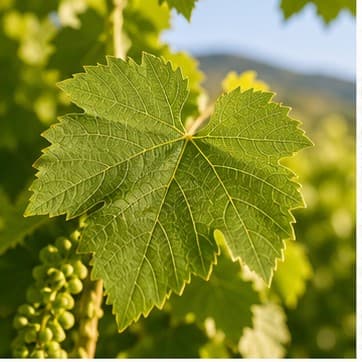
Baladi - the Arabic word for "local" or "native" - is the term used for indigenous, non-Sultana grape cultivars common to the Damascus countryside and southern Syrian vineyards. Compared to the Sultana family, Baladi leaves are smaller, deeper green, and have a more defined vein structure. The taste profile is distinct: less neutral, with a stronger leaf character that traditional Levantine recipes are built around.
For retail brands selling into Middle Eastern consumer markets and diaspora communities, Baladi is often the variety specified when the product is positioned as authentic regional cuisine.
Like Syrian Sultani, Baladi is sourced through contract producer cooperatives with pre-shipment quality control at the consolidation point. Volume is naturally smaller than the Sultana programs - Baladi vineyards are less industrially scaled - so we recommend booking volume contracts well ahead of consumer-facing campaigns.
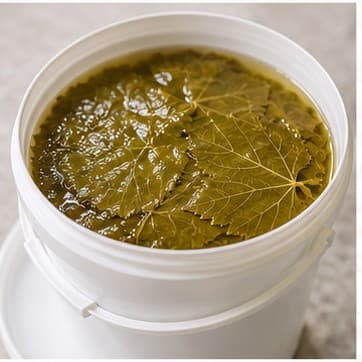
Harvest runs April through May, typically earlier than Sultani due to the lower altitude. Standard wet-brine preservation; shelf-stable 18 months at ambient.
| Parameter | Value | |---|---| | Whole Leaves Ratio | 95% (min) | | Slightly Damaged Leaves | Max 4% | | Broken Leaves | Max 1% | | Brown Leaves / Holes / Spots | Max 3% | | Branch Stems | Max 0.05% | | Appearance | Golden Yellow with deeper green tint |
EU MRL compliant. Lead time 21-28 days.
View Conventional Grape Leaves range
| Parameter | Value | |---|---| | Whole Leaves Ratio | 95% (min) | | Slightly Damaged Leaves | Max 5% | | Broken Leaves | Max 1% | | Brown Leaves / Holes / Spots | Max 3% | | Branch Stems | Max 2% | | Appearance | Golden Yellow with deeper green tint |
Third-party tested. Lead time 28-35 days.
View Pesticide-Free Grape Leaves range
| Parameter | Value | |---|---| | Whole Leaves Ratio | 95% (min) | | Slightly Damaged Leaves | Max 5% | | Broken Leaves | Max 1% | | Brown Leaves / Holes / Spots | Max 4% | | Branch Stems | Max 2% | | Appearance | Golden Yellow, Brown with green undertone |
EU Organic certified at consolidation point. Lead time 35-49 days.
View Organic Certified Grape Leaves range
Sultani is a Sultana-family cultivar - tender, mid-sized, neutral profile. Baladi is a separate indigenous variety - smaller, deeper green, distinct leaf character. They are not interchangeable for recipes that name one or the other.
Baladi volume is naturally smaller than the Sultana programs. We recommend booking volume contracts ahead of peak consumer seasons (e.g., Ramadan retail programs). We can blend with Sultani as a stretch strategy if Baladi-only stock runs short.
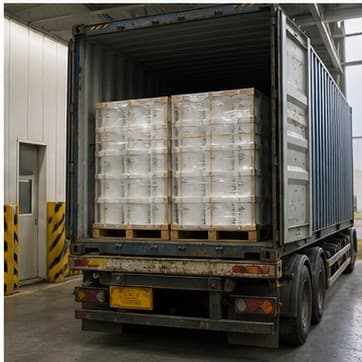
Retail programs typically take 10 Kg or 20 Kg buckets; ready-meal manufacturers prefer 150 Kg or 180 Kg drums for line efficiency.
Send your spec via our contact page or WhatsApp +90 532 518 32 88.
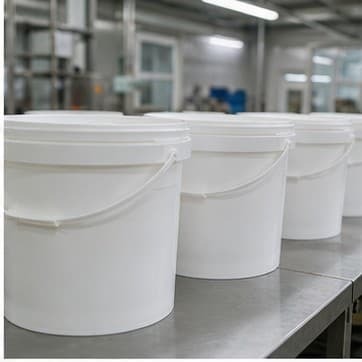
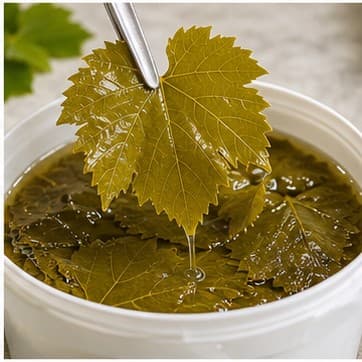
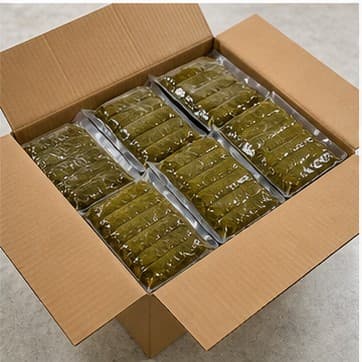
Food-grade HDPE bucket, sealed lid. Carton overpack on request.
Food-grade HDPE bucket. Standard retail-import format.
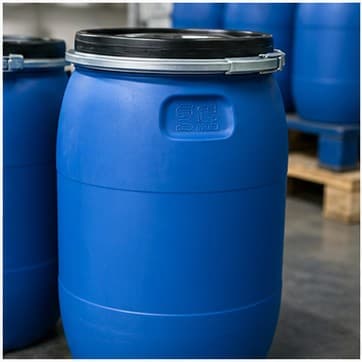
Food-grade plastic drum. Industrial / ready-meal manufacturers.
Food-grade plastic drum. Volume programs; reduced packaging cost per kg.
This variety is listed across the current conventional, pesticide-free, and organic ranges.
Phase D will replace this placeholder with approved inquiry guidance.
Per-shipment document requirements are confirmed during the quote workflow.
We reply with availability, pricing, and next sample steps after reviewing your inquiry.